
Bladder leakage during everyday activities is far more common than you might realize. Maybe you’ve started adjusting your routine, avoiding certain workouts, or planning outings around bathroom access without ever talking about it. You’re not alone, and you don’t have to simply live with it. Pelvic floor physiotherapy exists because this issue is both common and highly treatable. With the right assessment and guidance, you can regain control, confidence, and freedom in daily life.
At Richmond Blundell Physiotherapy & Sports Injury Clinic, we provide a supportive environment to address these concerns and help you return to the activities you love without worry.
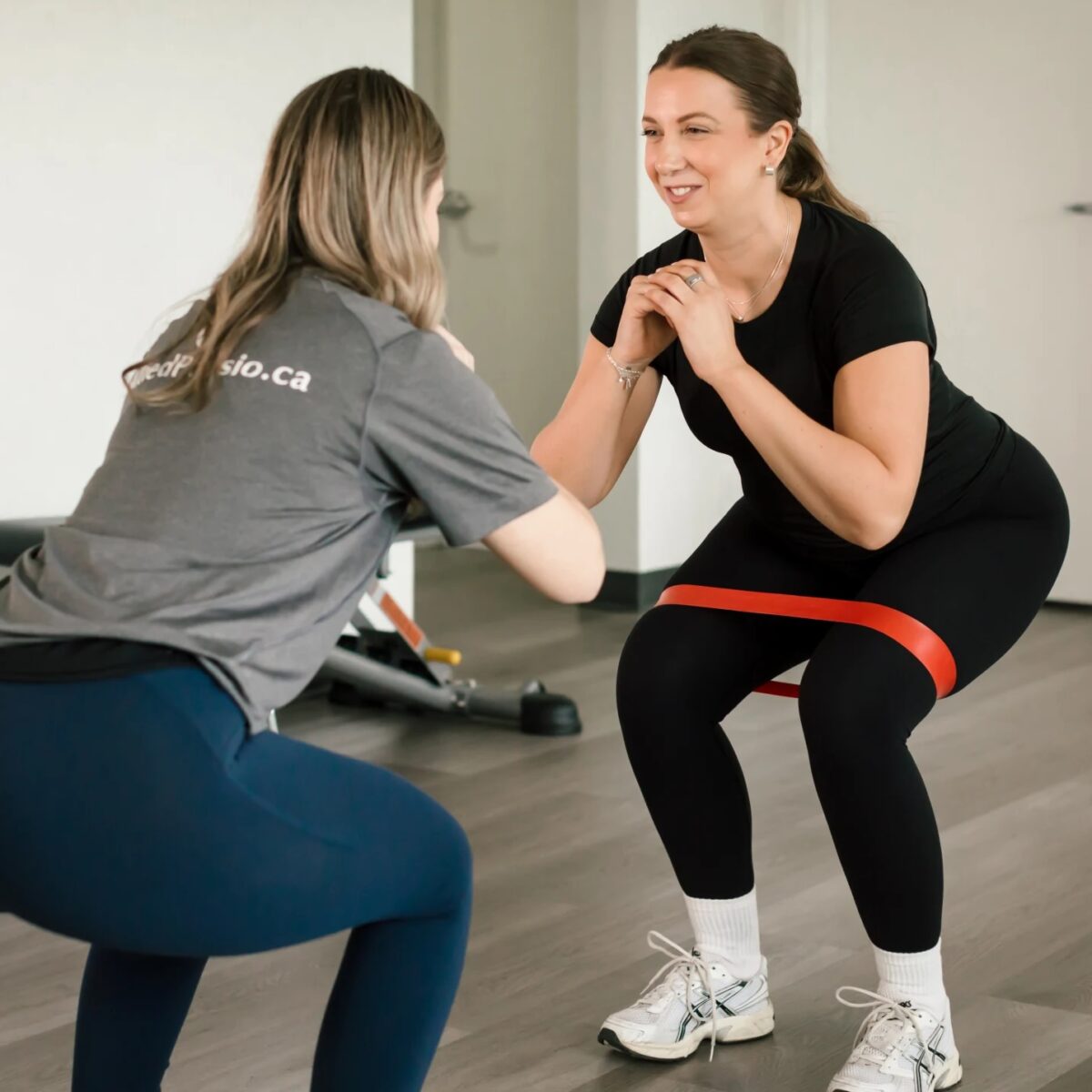
Get a clear diagnosis in your first visit
Visit Richmond Blundell Physiotherapy & Sports Injury Clinic. Get started today!
What Is Happening When You Leak?
Leaking urine during coughing, laughing, sneezing, running, or jumping is called stress urinary incontinence. Despite the name, it has nothing to do with emotional stress; it refers to the physical pressure placed on your bladder.
Every time you cough, sneeze, lift, or move quickly, pressure builds inside your abdomen. Your pelvic floor muscles act like a supportive hammock that keeps the bladder closed during these pressure spikes. When those muscles are weak, tight, fatigued, or poorly coordinated, they cannot respond quickly enough. The result is leakage during movement.
This is where pelvic floor physiotherapy becomes life changing. Treatment focuses on restoring the timing, strength, and coordination needed to manage pressure effectively.
Why This Happens More Often Than You Think
Pelvic floor dysfunction is incredibly common and can affect people of all ages and activity levels. In most cases, it is a treatable muscle and coordination issue rather than something you simply have to live with.
Common contributing factors include:
- Pregnancy and Postpartum Changes: Pregnancy places months of increased load on the pelvic floor. Delivery can further strain muscles and connective tissue. Even individuals who had a smooth delivery may still experience pelvic floor weakness, which is why postpartum physiotherapy is recommended regardless of delivery type.
- High Impact Exercise: Activities such as running, jumping, or sports place repeated pressure on the pelvic floor. Without proper strength and timing, the system can become overwhelmed over time.
- Chronic Coughing: Persistent coughing from allergies, asthma, or frequent illness repeatedly irritates and increases tone of the pelvic floor.
- Hormonal Changes: Aging and hormonal shifts can reduce tissue elasticity and muscle strength, making internal support more difficult.
Signs Your Pelvic Floor Needs Support
Leakage is the most obvious sign, but pelvic floor dysfunction often shows up in other ways. Many people notice changes in bladder habits or pelvic sensations long before seeking help. Common signs include:
- Needing to rush to the bathroom (urgency).
- Difficulty holding urine during workouts.
- A feeling of heaviness or pressure in the pelvis.
- Avoiding certain activities due to fear of leaking.
- Wearing liners or pads “just in case.”
How Pelvic Floor Physiotherapy Helps
Pelvic floor therapy is not just about doing Kegels. In fact, many people perform Kegels incorrectly or at the wrong time, which can actually worsen symptoms. Physiotherapy focuses on restoring the full system rather than just strengthening one muscle group.
The Assessment
Treatment typically begins with a detailed assessment to understand how your muscles contract, relax, and respond to pressure. Some pelvic floors are weak, some are tight, and many are a combination of both.
The Treatment Plan
- Coordination Training: Learning how to engage the pelvic floor right before a cough or lift.
- Breathing Mechanics: The diaphragm, abdominal muscles, and pelvic floor work as a team. Improving breathing often leads to significant improvements in bladder control.
- Bladder Retraining: This helps reset urgency patterns and improve daily habits.
- Exercise Guidance: We provide a safe roadmap so you can resume running, jumping, and lifting without fear.
A Reality Check About Kegels
Online advice often suggests doing Kegels for leakage, but this approach is incomplete. Performing random strengthening exercises without an assessment is similar to doing random gym exercises without understanding an injury. Some people need strengthening, while others need relaxation or better coordination. Personalized care makes a major difference in long term results.
What Improvement Can Look Like
With guided physiotherapy, many people notice improvements within weeks. Common changes include:
- Less leaking when coughing or laughing.
- Increased confidence during exercise.
- Reduced urgency and fewer bathroom trips.
- A stronger sense of control and “support” in the pelvis.
Perhaps the biggest change is psychological. When you stop planning your day around bathrooms, you gain a sense of freedom that can be life changing.
You Do Not Have To Live With This
Bladder leakage is common, but it is not something you simply have to accept. At Richmond Blundell Physiotherapy & Sports Injury Clinic in Richmond BC, pelvic floor physiotherapy is designed to help you move, laugh, and exercise with confidence again.
If leaking has been quietly limiting your activities, seeking support can be the first step toward a more confident daily life. Contact us today to start your journey toward better pelvic health.